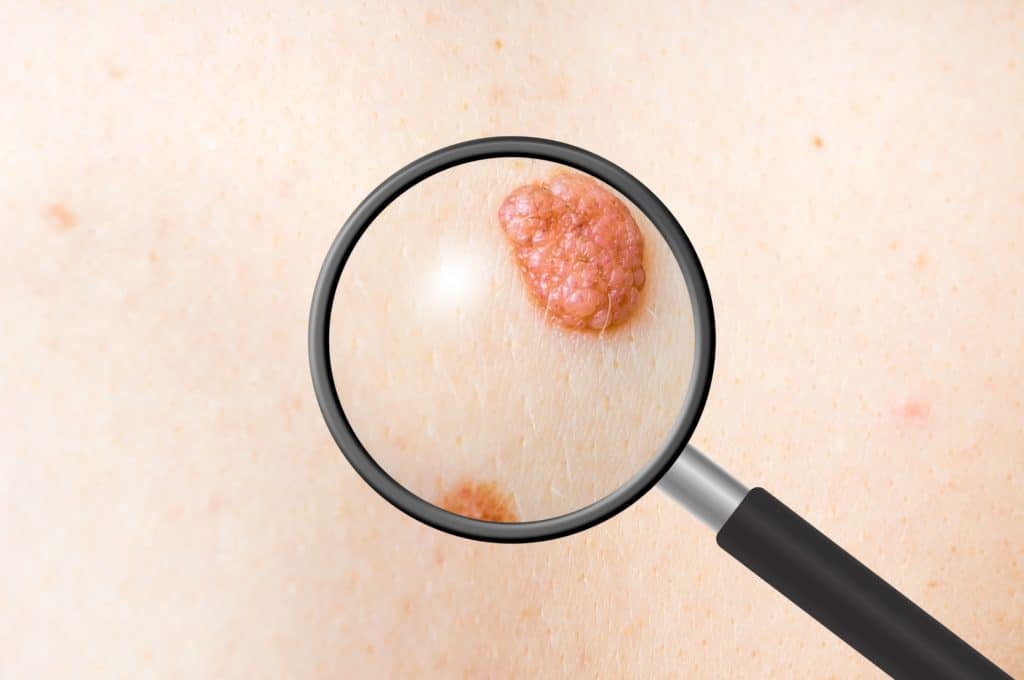
Moles are extremely common skin growths that most people develop at some point in their lives. While many are harmless, they can sometimes become a cosmetic concern or, in certain cases, require medical attention. One of the modern, minimally invasive options used for mole removal is cryotherapy.
Cryotherapy mole removal involves using extremely cold temperatures to freeze and destroy the targeted skin tissue. Over time, the treated mole naturally falls off as the skin heals and regenerates underneath.
At LA Lipo Brighton, cryotherapy is considered a quick and precise method for suitable superficial moles. It is often chosen by individuals who want a non-surgical approach with minimal downtime.
This guide will walk you through everything you need to know—from how the treatment works to what you can expect during and after the procedure.
What Is Cryotherapy Mole Removal and How Does It Work?
Cryotherapy mole removal is a skin treatment that uses controlled freezing temperatures, usually delivered through liquid nitrogen or a specialized cryogenic device.
How it works:
- The practitioner applies extreme cold directly to the mole
- The freezing process damages the mole cells
- Blood supply to the mole is interrupted
- The treated tissue gradually dies and falls off naturally
The body then replaces the treated area with new, healthy skin over time.
What makes it effective?
Cryotherapy works best on smaller, surface-level moles. It is widely used in cosmetic dermatology because it avoids cutting into the skin, which means no stitches and generally less recovery time compared to surgical removal. Pain and Cryotherapy for Skin Tag Removal Brighton: What You Need to Know
However, not every mole is suitable for cryotherapy. A professional assessment is always necessary to ensure the mole is safe to treat and not suspicious in nature.
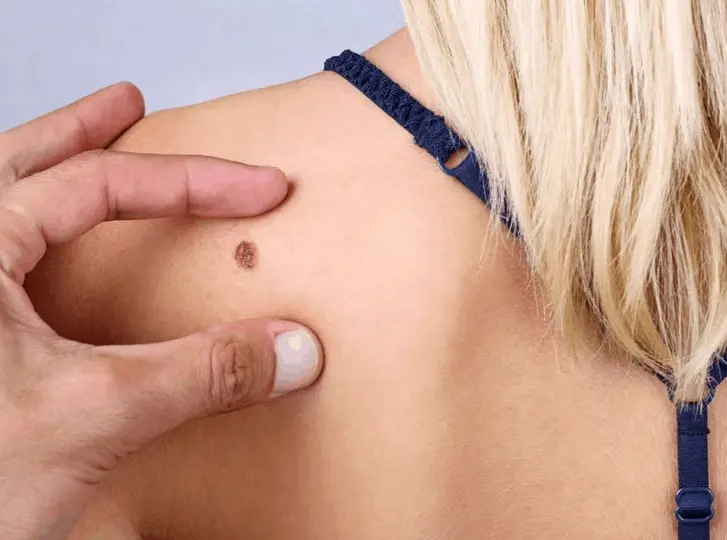
What Should You Expect During a Cryotherapy Mole Removal Session?
If you’re thinking of having treatment at LA Lipo Brighton then knowing what to expect during the session can help you feel more comfortable and prepared for your appointment.
Before the treatment:
A specialist will first check your mole to see if cryotherapy is a suitable option. They could ask how long you have had the mole and if it has changed size, colour or shape. Cryopen Milia Removal Brighton: Can it Cause Scarring?
During the treatment:
- It will be cleaned in every way possible
- A cryotherapy device or liquid nitrogen is placed directly on the mole
- You get intense cold, sometimes followed by a mild stinging or tingling sensation.
- The process only takes a few minutes, itself
After the treatment:
- The mole might turn dark or develop a tiny scab
- Some redness and swelling are to be expected
- Within the next 1–3 weeks the treated mole slowly falls off.
- Skin continues to heal underneath
Most individuals can resume normal activities immediately after the session.
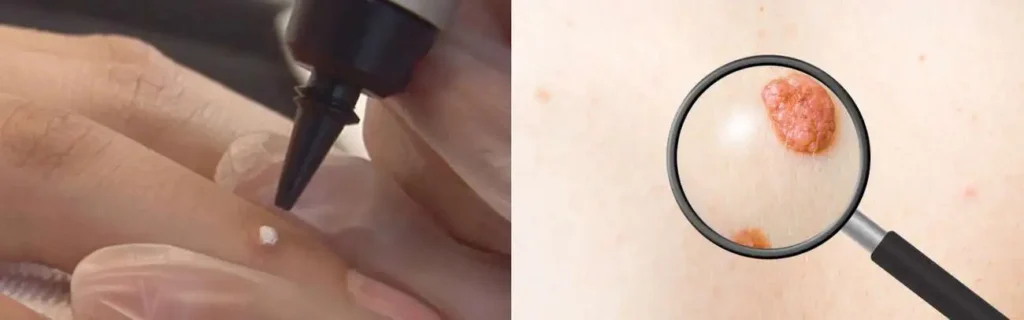
When Should You Consider Cryotherapy Over Other Mole Removal Methods?
Cryotherapy is not the only mole removal option available, so choosing the right method depends on your skin type, mole characteristics, and desired outcome.
Cryotherapy may be suitable if:
- The mole is small and on the surface of the skin
- You prefer a non-surgical option
- You want minimal downtime
- The mole is confirmed to be non-cancerous and safe to treat cosmetically
You may need alternative methods if:
- The mole is raised, large, or deep-rooted
- There is any suspicion of abnormal changes (shape, colour, bleeding)
- You prefer immediate removal through excision
- The mole is in a sensitive or complex area
Compared to other methods:
- Cryotherapy: Non-invasive, quick, minimal recovery, gradual results
- Surgical excision: Immediate removal, suitable for deeper moles, may require stitches
- Laser removal: Precise and effective for certain pigmentation-based lesions
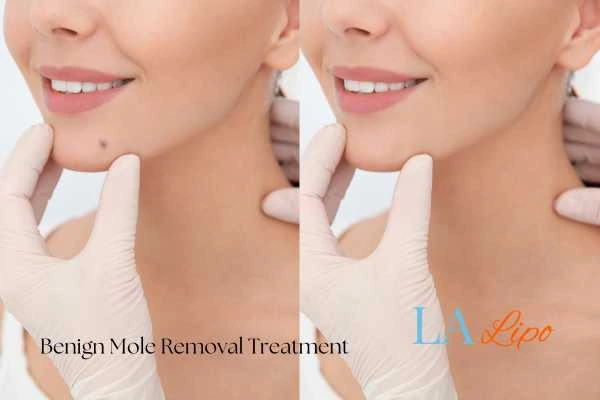
At LA Lipo Brighton, a consultation is always recommended before deciding the best approach, ensuring both safety and the most natural-looking results. Benign Moles Removal Service Using Non-Invasive Cryopen
FAQs
Q: Does cryotherapy mole removal hurt?
Most people explain it as unpleasant (but not painful). You might feel a cold sensation followed by mild stinging, but it normally subsides quickly.
Q: How long is a cryotherapy session?
The actual treatment is very quick — often only a few minutes per mole. The visit could take longer if consultation and preparation are included.
Q: Will I have a scar after cryotherapy Brighton?
Scarring is uncommon but possible. Most patients heal without issues, especially when they adhere to the given aftercare instructions.
Q: Can the mole return after cryotherapy Brighton?
If the mole is not completely treated, it may partially come back in some situations. You might need a follow-up session.
Q: When will the mole knock down?
The treated mole usually dries up and falls off during the 1 to 3 weeks after treatment.
Q: Can cryotherapy be done on all types of moles?
No. Only a few superficial lowly moles fit the bill. Before treatment, a clinical mind is absolutely necessary.
Q: Is there any time off after the procedure?
There is usually no downtime. You may resume normal daily activities right away.
Q: Is there aftercare needed after treatment Brighton?
Yes. Maintaining a clean area, staying away from scabbing and following skin care recommendations helps the healing process.
For further information, please call us on 03300 100 238