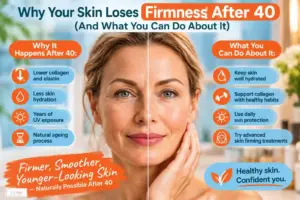
Age spots are one of those skin changes that tend to show up quietly over time—often without warning. You might first notice them on your hands, face, or shoulders, and wonder where they came from. The truth is, they’re incredibly common and usually harmless, but that doesn’t mean you have to live with them.
At LA Lipo Brighton, we believe that understanding your skin is the first step toward feeling confident in it. Let’s break down what age spots really are, why they appear, and what you can do about them.
What Are Age Spots and Why Do They Appear on Your Skin?
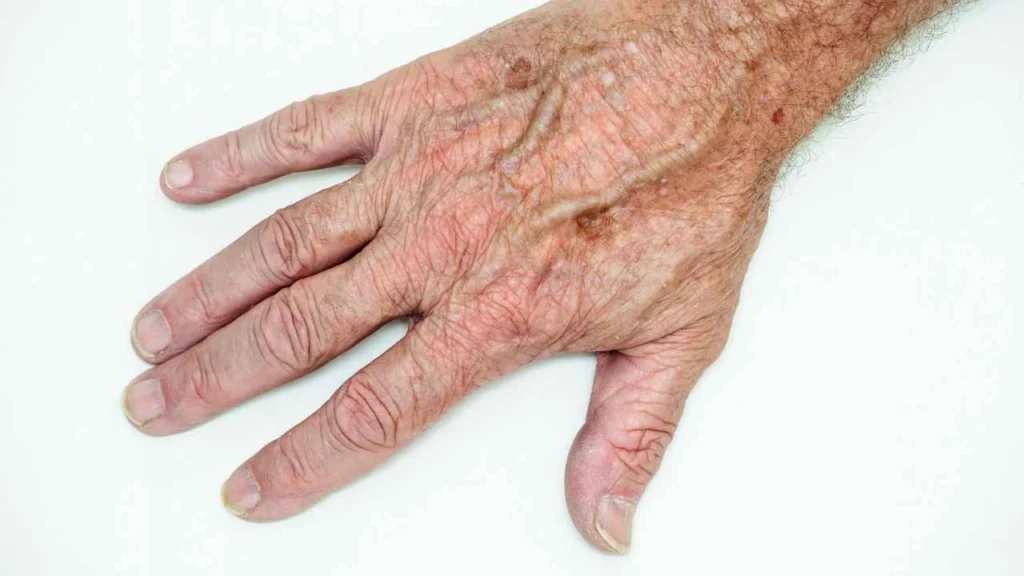
Age spots—also known as liver spots or sun spots—are flat, darkened areas of skin that vary in size and typically appear in areas most exposed to the sun. They can range from light brown to black and tend to develop gradually. See Here: Why Age Spots Brighton Get Bigger
These spots form when your skin produces excess melanin, the pigment responsible for your skin’s color. Over time, repeated sun exposure causes this pigment to cluster together, creating visible patches on the skin.
While they’re often associated with ageing, it’s really sun exposure—not age itself—that plays the biggest role.
What Causes Age Spots and Who Is Most at Risk?
The most common reason for the formation of age spots is when UV (ultraviolet) rays hit your skin for an extended period, whether it be from sunlight or a tanning bed. With years of UV exposure, melanin production is sped up, resulting in uneven pigmentation.
You might be at higher risk for age spots if:
- You’ve got a lot of unprotected sun exposure
- You have fair or lighter skin
- You’re older than 40 (though they can show up earlier)
- You have a history of tanning bed use
- Your skin may be prone to pigmentation changes
Even if you’ve been good to your skin most of your life, past exposure can still come back to haunt you.
Are Age Spots Harmful or a Sign of Something Serious?
Age spots are benign in most situations and don’t require medical treatment. They’re a cosmetic problem, not one that affects health.
But you should also monitor your skin. If a spot changes size, shape or color, or becomes itchy or bleeds, it’s worthwhile to have it professionally checked. You can have a skin condition that appears similar to age spots and be more serious. Check Out: Age Spots Brighton – Elderly People
But when in doubt, remember to seek professional advice — it is easier than being sorry.
Can Age Spots Be Prevented Before They Appear?
Although you can’t always avoid age spots altogether, you can greatly reduce your risk by masking your skin from UV damage.
Easy as that, those are powerful steps:
- Apply a broad-spectrum sunscreen daily, even on cloudy days
- Avoid sun exposure between peak hours
- Wear protection such as hats or sunglasses
- Skip tanning beds altogether
Consistency is key here. Prevention is not about that one big thing; it’s about little practices you can do daily to protect your skin over time.
What Are the Most Effective Treatments for Age Spots?
When you have age spots, you likely want something that works without all the hassle.
Here at LA Lipo Brighton, we like to keep things simple. We want Cryotherapy, it’s fast, effective, and it works, which is something we find again and again.
Cryotherapy for Age Spots
Liquid nitrogen in cryotherapy freezes the age spot. That sounds a bit intense, but the intervention itself is quite short and simple.
Afterwards, the spot may darken somewhat before drying and flaking over the following days. Typically, once it is healed, the skin looks a lot clearer. See Pain and Cryotherapy for Skin Tag Removal Brighton: What You Need to Know
The majority of people enjoy it because there’s no long process — you’re in and out, and you can get on with your day.
How Can You Maintain Clear, Spot-Free Skin After Treatment?
The secret to clear skin isn’t just treating age spots, though: it’s maintenance.
Here’s how to sustain your results:
- Keep applying sunscreen daily (this is non-negotiable)
- Adhere to a daily skincare routine designed for your skin
- Drink plenty of fluids and eat healthy
- Avoid excessive sun exposure
- Book consistent skin maintenance or check-up treatments
Think of it as insurance for your investment. As long as you follow the right habits, you can maintain bright and even skin in the long run.
FAQs
Q: Do age spots fade on their own with time?
Without treatment, age spots usually don’t completely fade. They can become a bit lighter, but professional treatments are typically needed to see results.
Q: How old do you have to be for age spots to develop Brighton?
They’re most prevalent after age 40, but they can form earlier, especially if your skin has seen a lot of sun.
Q: Are age spots and freckles the same thing?
Not quite. Freckles are generally genetic, and they fade with the years, while age spots are due to sun damage and grow more durable if not treated.”
Q: Is it safe to undergo Cryotherapy treatment for age spots Brighton?
Cryotherapy treatments done by trained professionals are safe and highly effective with minimal downtime.
Q: Which body part is most impacted?
In other common areas (like the face, hands, shoulders, arms, and back) basically, anywhere exposed to the sun.
Q: How many sessions does it take to clear age spots Brighton?
That’s for the size and depth and number of spots. Some people will see results after a single session, and others may need several treatments.
Q: Will age spots come back after treatment Brighton?
They can reappear if your skin is exposed again to UV rays without protection. That’s why aftercare and sun protection are so important.
Q: Do age spot treatments have any side effects?
Most treatments have few side effects — temporary redness and mild irritation that typically resolve quickly.
Q: Can men get age spots too?
Absolutely. Age spots impact men and women equally, especially on those who expose their skin to the sun regularly.
Q: When should I consider getting a spot checked?
If a spot looks different, is irregular, or becomes painful, it’s wise to have it checked by a professional.
For further information, please call us on 03300 100 238