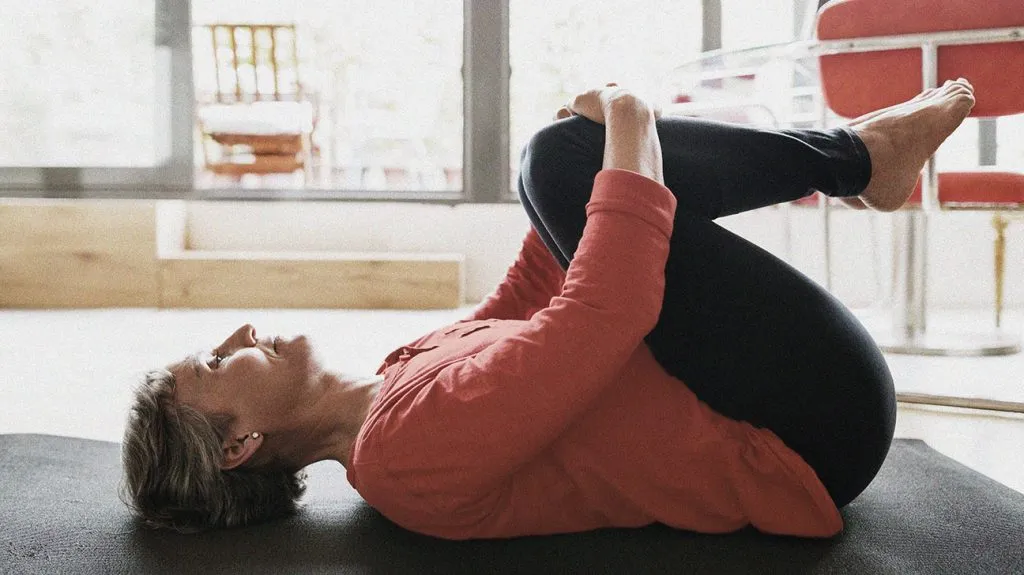
This article provides an overview of the importance of pelvic floor muscles, discusses common issues related to weak pelvic floor muscles, and offers exercises and techniques to strengthen them, promoting improved pelvic health and the management of urinary incontinence.
Overview of Pelvic Floor Muscles and Their Importance
Pelvic floor muscles play a pivotal role in providing support to the pelvic organs, maintaining sexual health, and stabilising the hips and trunk.
For example, they are essential for women during pregnancy and childbirth, as well as for men in maintaining urinary and bowel control. These muscles are crucial for both genders and are responsible for controlling bladder and bowel functions, as well as supporting the uterus, vagina, and rectum.
Throughout life, the strength and function of these pelvic floor muscles can be affected by various factors, including childbirth, ageing, and certain medical conditions.
For instance, women who have given birth may experience weakened pelvic floor muscles, leading to issues like urinary incontinence.
Therefore, understanding the importance of these muscles and the impact of life events is essential for maintaining pelvic health.
Life events, such as pregnancy, childbirth, and the natural ageing process, can significantly impact the strength and function of the pelvic floor muscles.
Recognising the impact of these life events and the potential consequences of weakened pelvic floor muscles underscores the importance of proactive measures to maintain their strength and function.
It highlights the significance of incorporating exercises and techniques to strengthen these muscles as a fundamental aspect of proactive pelvic health management.
Importance of Pelvic Floor Muscles
The importance of pelvic floor muscles cannot be overstated, as they are crucial for supporting the bladder, uterus, vagina, and bowel, maintaining their proper position and function.
For example, weakened pelvic floor muscles can have a lasting impact on pelvic health, leading to urinary and faecal incontinence, sexual dysfunction, and pelvic organ prolapse.
It emphasises the critical role of these muscles in upholding overall pelvic health and well-being. Additionally, recognising the long-term impact of weak pelvic floor muscles is essential for understanding the significance of maintaining their strength and function.
Furthermore, it is vital to understand the impact of weak pelvic floor muscles on pelvic health. These muscles are critical for supporting the bladder, uterus, vagina, and bowel, helping to maintain their proper position and function.
For instance, weakened pelvic floor muscles can lead to urinary and faecal incontinence, causing significant discomfort and embarrassment.
Additionally, the long-term impact of weakened pelvic floor muscles can extend to sexual dysfunction, highlighting the far-reaching consequences of neglecting the health of these vital muscles.
Therefore, it is essential to recognise the importance of maintaining strong and healthy pelvic floor muscles to uphold overall pelvic health and well-being.
Understanding Pelvic Floor Dysfunction
Pelvic floor dysfunction can have a profound impact on an individual’s quality of life. For example, a common symptom is urinary incontinence, where individuals may experience leaks when coughing, sneezing, or laughing, which can lead to embarrassment and a restriction in daily activities.
Furthermore, pelvic pressure and frequent urges to urinate can disrupt daily routines and cause discomfort, affecting both work and social interactions.
Additionally, lower back pain and pelvic muscle spasms can contribute to persistent discomfort and reduced mobility, further highlighting the far-reaching effects of pelvic floor dysfunction on overall well-being.
Understanding the symptoms and impact of pelvic floor dysfunction is essential for recognising the need for effective management strategies and support.
Pelvic floor dysfunction can also affect sexual health, leading to pain during intercourse and impacting intimacy and relationships.
These symptoms can be emotionally distressing and may lead to feelings of isolation and frustration. Furthermore, the psychological impact of pelvic floor dysfunction should not be underestimated, as individuals may experience anxiety, depression, or a diminished sense of self-esteem due to the challenges posed by these symptoms.
Therefore, it is crucial to address pelvic floor dysfunction comprehensively, not only for physical well-being but also for mental and emotional health, emphasising the need for effective management strategies and support.
Pelvic Floor Exercises: An Effective Solution
Pelvic floor exercises are a crucial and effective solution for addressing a range of pelvic floor issues, including urinary stress incontinence and faecal incontinence.
By targeting and strengthening the muscles under the uterus, bladder, and bowel, these exercises play a pivotal role in improving continence and reducing the symptoms of pelvic floor prolapse.
For instance, individuals who experience urinary leakage during activities such as coughing, sneezing, or exercising can significantly benefit from consistent pelvic floor exercises, as they help to enhance the strength and support of the pelvic floor muscles, thereby reducing the likelihood of incontinence episodes.
Moreover, beyond addressing incontinence, pelvic floor exercises also contribute to improving sexual health and enhancing overall quality of life for individuals dealing with pelvic floor issues.
By strengthening the pelvic floor muscles, these exercises can lead to better control and sensation during sexual activities, thus promoting a more satisfying and confidence-boosting intimate experience for both men and women.
Identifying and Working the Right Muscles
When it comes to strengthening pelvic floor muscles, correctly identifying and targeting the right muscles is fundamental for effective results.
One technique to achieve this is through biofeedback and electrical stimulation, which can help individuals locate and engage the correct muscle group for targeted exercises.
Additionally, it is essential to maintain relaxation in the surrounding muscle groups while performing pelvic floor exercises.
It includes keeping the abdominal, buttocks, and thigh muscles relaxed to prevent over-exercising, which can lead to muscle fatigue and potentially exacerbate issues like urine leakage.
By focusing on these key aspects, individuals can ensure that they are effectively working the pelvic floor muscles while minimising the risk of unintended complications.
Exercises and Techniques to Strengthen Pelvic Floor Muscles
When it comes to addressing hypotonic pelvic floor issues, quick flick Kegels are a valuable exercise.
This exercise involves rapidly contracting and releasing the pelvic floor muscles, which helps improve muscle tone and control.
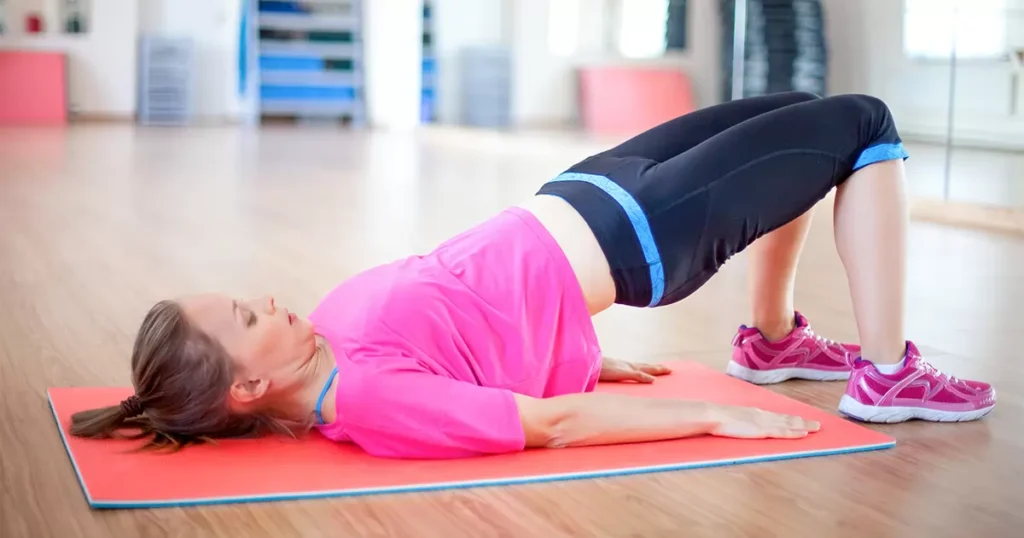
Heel slides and marches are also beneficial exercises for individuals dealing with weak pelvic floor muscles.
Heel slides involve lying on your back with your knees bent and sliding one foot away from your body, engaging the pelvic floor muscles. Meanwhile, marches involve lifting each leg alternately towards your chest, providing a gentle yet effective workout for the pelvic floor.
For individuals facing hypertonic pelvic floor issues, exercises such as long squeezes and short squeezes are recommended.
Long squeezes involve contracting the pelvic floor muscles and holding for an extended period, promoting strength and endurance. Short squeezes, on the other hand, focus on quick, intense contractions followed by relaxation, aiding in releasing tension and improving muscle flexibility.
Furthermore, incorporating lunges and squats into a pelvic floor routine can offer comprehensive support by functionally engaging the pelvic floor muscles, contributing to overall muscle strength and stability.
By understanding and incorporating these specific exercises, individuals can effectively target and strengthen their pelvic floor muscles, addressing both hypotonic and hypertonic issues, and promoting improved pelvic health and function.
Implementing Pelvic Floor Exercises into a Daily Routine
Incorporating pelvic floor exercises into a daily routine is essential for achieving optimal results and maintaining pelvic health.
These exercises should ideally be performed with 10 repetitions, 3 to 5 times a day, to effectively strengthen the pelvic floor muscles and improve overall muscle tone and control.
For example, individuals can perform a set of exercises in the morning, another set in the afternoon, and a final set in the evening, incorporating them into their daily routine.
Moreover, the use of technology, such as mobile apps, can be incredibly helpful in reminding individuals to perform their pelvic floor exercises regularly.
These apps offer guidance, reminders, and tracking features, making it easier for individuals to establish a consistent routine and track their progress over time.
For instance, some apps provide visual and audio cues to ensure that exercises are performed correctly, enhancing the effectiveness of the workouts and promoting adherence to the exercise regimen.
By integrating pelvic floor exercises into a daily routine and leveraging technology to support their consistency, individuals can effectively prioritise their pelvic health and experience the benefits of strengthened pelvic floor muscles in their daily lives.
FAQs: Strengthening Your Pelvic Floor Muscles
Q1. What are pelvic floor muscles, and why are they important?
A: Pelvic floor muscles form a kind of hammock across the pelvis; they support the bladder, bowel, uterus (in women), and contribute to bladder/bowel control, sexual function, and overall core stability. Weakness in these muscles can lead to urinary incontinence, pelvic organ prolapse, and other symptoms.
Q2. How do I locate the correct pelvic floor muscles?
A: To find them, try stopping the flow of urine mid-stream (just briefly, and only for locating the muscles). The muscles you engage then are part of the pelvic floor. Another cue is tightening as if preventing gas or holding in urine. You should feel a slight lift and internal squeeze. Once located, you can do exercises without actually needing to block urine.
Q3. What are the correct techniques for pelvic floor (Kegel) exercises?
- Perform both long holds (squeezing the muscles and holding for several seconds) and short, quick squeezes (tightening rapidly then relaxing) to train different aspects of muscle strength and responsiveness.
- Avoid holding your breath; keep breathing normally throughout.
- Do not engage surrounding muscles (e.g., buttocks, thighs, abdomen) intensely—focus on isolating the pelvic floor muscles.
Q4. How often should the exercises be done, and how many sets/repetitions?
Many guidelines recommend performing pelvic floor exercises three times a day, consisting of sets of both prolonged and quick contractions.
- An example schedule includes long holds of up to 5-10 seconds, repeated 8-10 times, as well as sets of quick squeezes (e.g., 10 reps) per session.
- Consistency over several weeks (typically 8-12 weeks or more) is essential to achieve meaningful results.
Q5. What improvements or changes should I expect, and when?
A:
- Some people notice improvements (fewer leaks, greater control) within a few weeks, but optimal results usually take several weeks to months of regular practice.
- Other benefits can include improved sexual function, better support for pelvic organs, and reduced urgency or frequency of urination.
Q6. What if I don’t feel the exercises working, or I’m unsure if I’m doing them correctly?
A:
- It’s common not to feel strong contractions at first. If unsure, seek help from a pelvic health physiotherapist. They can do an internal/external assessment to confirm the technique.
- Using a mirror, or placing a finger (in the vagina or rectum, depending on gender) to sense a squeeze can help with feedback.
Q7. Are there any risks, things to avoid, or common mistakes?
A:
- Over-exerting (doing too many repetitions too soon) can lead to fatigue or tension. It’s better to build up gradually.
- Avoid tightening the wrong muscles (such as the abdomen, buttocks, and thighs). These can reduce effectiveness and lead to other issues.
- Do not perform “holding” exercises by stopping urine mid-stream regularly, as this can lead to problems or bladder issues. It’s just a test to find the muscles.
Q8. How do I maintain the strength once I’ve improved?
A:
- Continue some form of pelvic floor exercise regularly even after reaching your goal; maintenance is key.
- Incorporate pelvic floor engagement into daily life (before coughing, sneezing, lifting) to reinforce strength.
- Combine these measures with lifestyle changes: maintain a healthy weight, avoid constipation, manage a chronic cough, and avoid heavy lifting without proper support.
Q9. Can men also benefit from pelvic floor strengthening?
A: Yes. Men can benefit in similar ways: improving bladder control (reducing dribbling, leakage), potentially helpful in recovery after prostate surgery, and improving sexual function. Pelvic floor exercise guidance is also applicable to men. All our treatments are FDA-approved.
Q10. When should I seek professional help or consider other treatment options?
A:
- If after several weeks/months of consistent exercise, you see little or no improvement.
- If you experience pain, discomfort, worsening urgency, or other symptoms, such as pelvic organ prolapse.
- If incontinence is severe or significantly impacting your quality of life.
- A physiotherapist or pelvic health specialist can assess whether guided exercise, biofeedback, devices, or advanced treatments are needed.
Role of Professionals in Pelvic Floor Muscle Training
When it comes to pelvic floor muscle training, seeking professional help can significantly enhance the effectiveness of the exercises. A professional assessment of pelvic floor function is crucial for understanding an individual’s specific needs and tailoring an exercise program to address them effectively.
For example, a pelvic floor physiotherapist can conduct a comprehensive assessment to identify muscle weaknesses, hypertonicity, or hypotonicity, and then develop a personalised exercise plan to target these specific areas.
This level of individualised attention and expertise ensures that the exercises are optimally beneficial and yield the desired results.
Here, in the main body, there are numerous opportunities to learn about LA Lipo’s pelvic floor muscle strengthening services, including LA-EMS, and to find out more.
For instance, individuals can access valuable information, educational materials, and expert advice through these resources, empowering them to navigate the complexities of pelvic floor exercises effectively and with confidence.
Additionally, these professional organisations can offer assistance in addressing any challenges or concerns that may arise during the training process, reinforcing the importance of seeking professional guidance for optimal pelvic floor health management.
Concluding Thoughts on Pelvic Floor Health
In conclusion, the proactive approach to pelvic health management through consistent and targeted exercises can lead to a better quality of life for individuals, underscoring the importance of prioritising pelvic floor health as an integral part of overall well-being.
With the proper knowledge, resources, and commitment, individuals can effectively maintain and strengthen their pelvic floor muscles, thereby reducing the risk of pelvic floor dysfunction and related issues.
This holistic approach to pelvic floor health underscores the importance of incorporating pelvic floor exercises into one’s routine as a proactive and effective measure to manage and alleviate various pelvic floor concerns, ultimately enhancing overall well-being and quality of life.
For Further Information, Call Us On 03300 100 238